
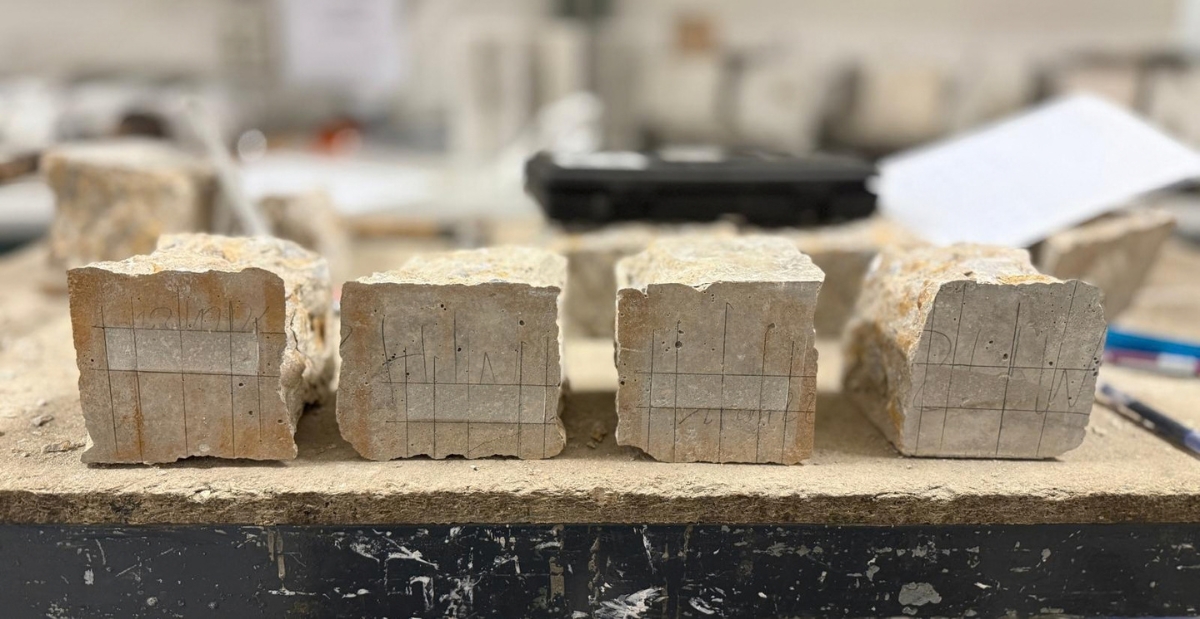
LADICIM, in collaboration with Ferrovial, validates new cements developed from slag and captured CO2
The CO2MCHRETE project, funded by the CDTI, has completed its first year with new proposals for the scale-up of micro-concretes, in which traditional clinker is replaced by valorized steelmaking and demolition waste Traditional cement production carries an environmental cost that the European regulatory framework no longer overlooks. Specifically, Portland Clinker—its
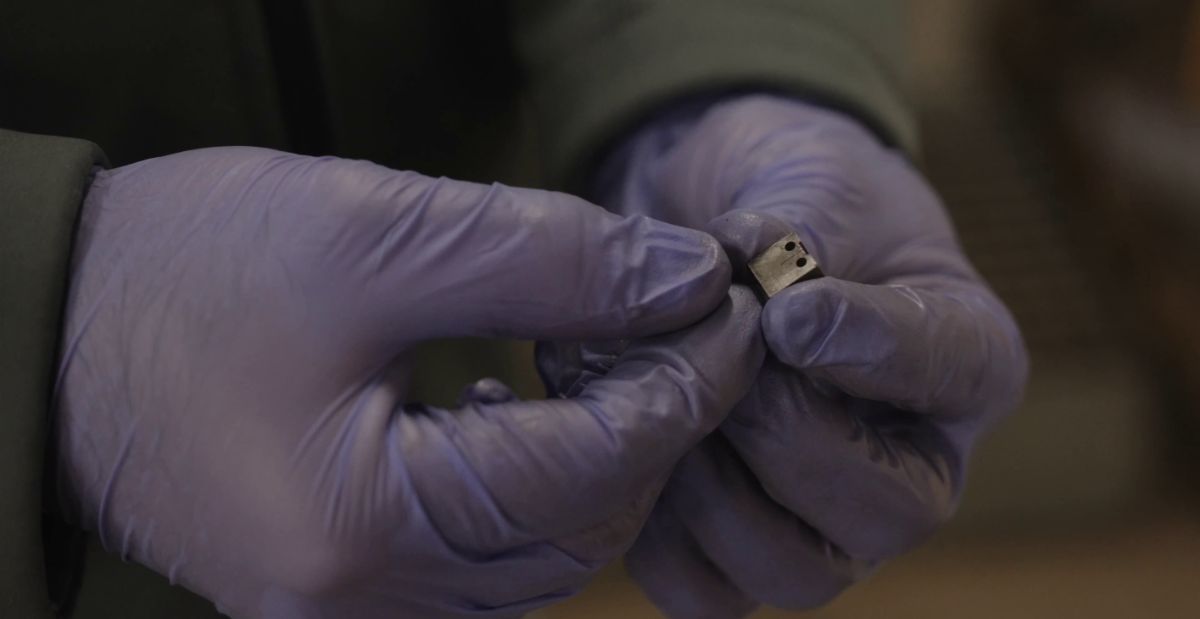
LADICIM is participating in the European project to standardize the use of mini-ct in the nuclear industry
The research aims to modify restrictive international mechanical testing standards to drastically reduce the material required for integrity assessments and extend the service life of reactors Certifying the structural integrity of a nuclear power plant requires subjecting its components to continuous and highly exhaustive mechanical testing. Extracting metal specimens from
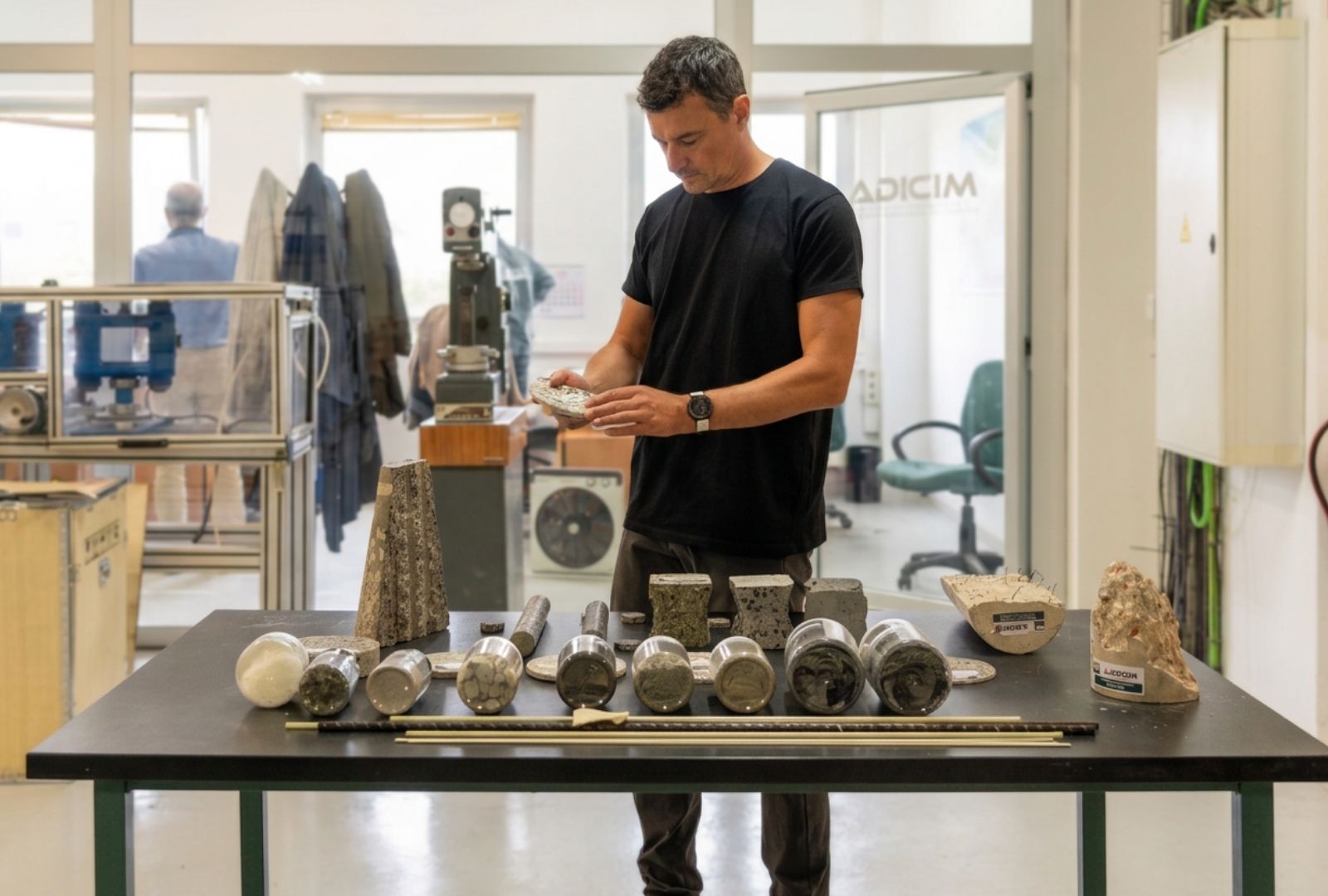
Professor Carlos Thomas appointed Full Professor at the University of Cantabria
The Quality Manager of LADICIM culminates his academic career with an appointment recognizing his research and teaching work on recycled concrete, paving the way for new eco-efficient solutions applicable on an industrial scale. The decarbonization of the construction sector demands an accelerated transition toward the use of secondary raw materials,
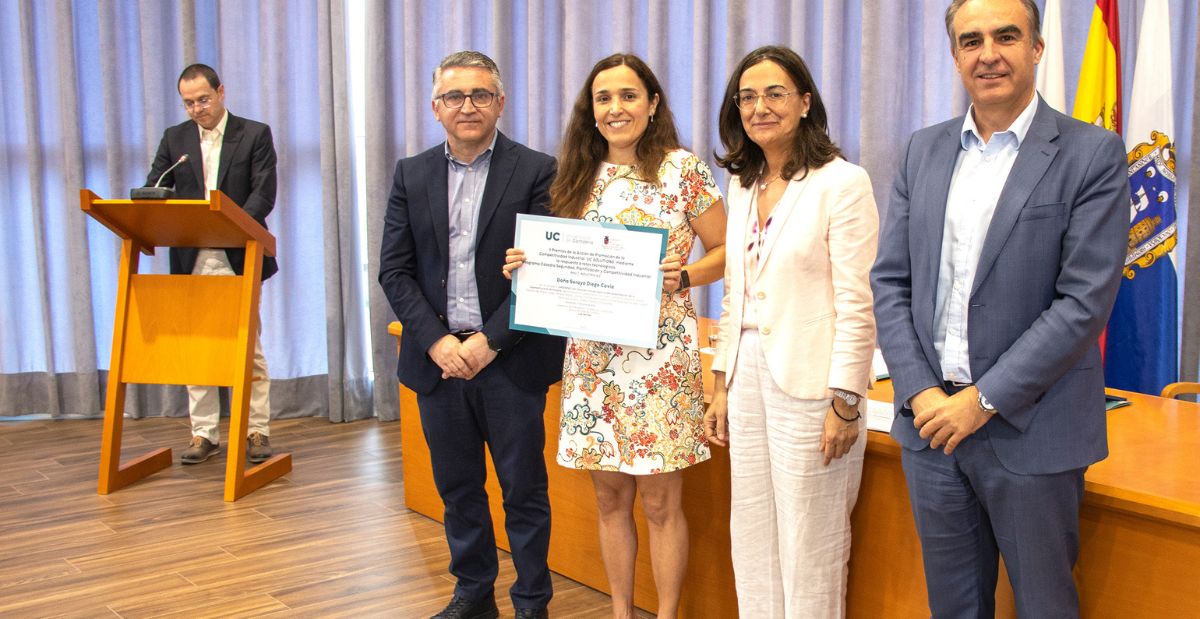
Soraya Diego and Sergio Cicero win two UC Solutions Awards for their decarbonization and Industry 4.0 proposals
Both LADICIM researchers have been recognized in the II Call for the Promotion of Industrial Competitiveness of the University of Cantabria. Their work proposes circular solutions for the railway sector and validation methods for clean energy materials. The transfer of scientific knowledge to the productive sector is key to addressing
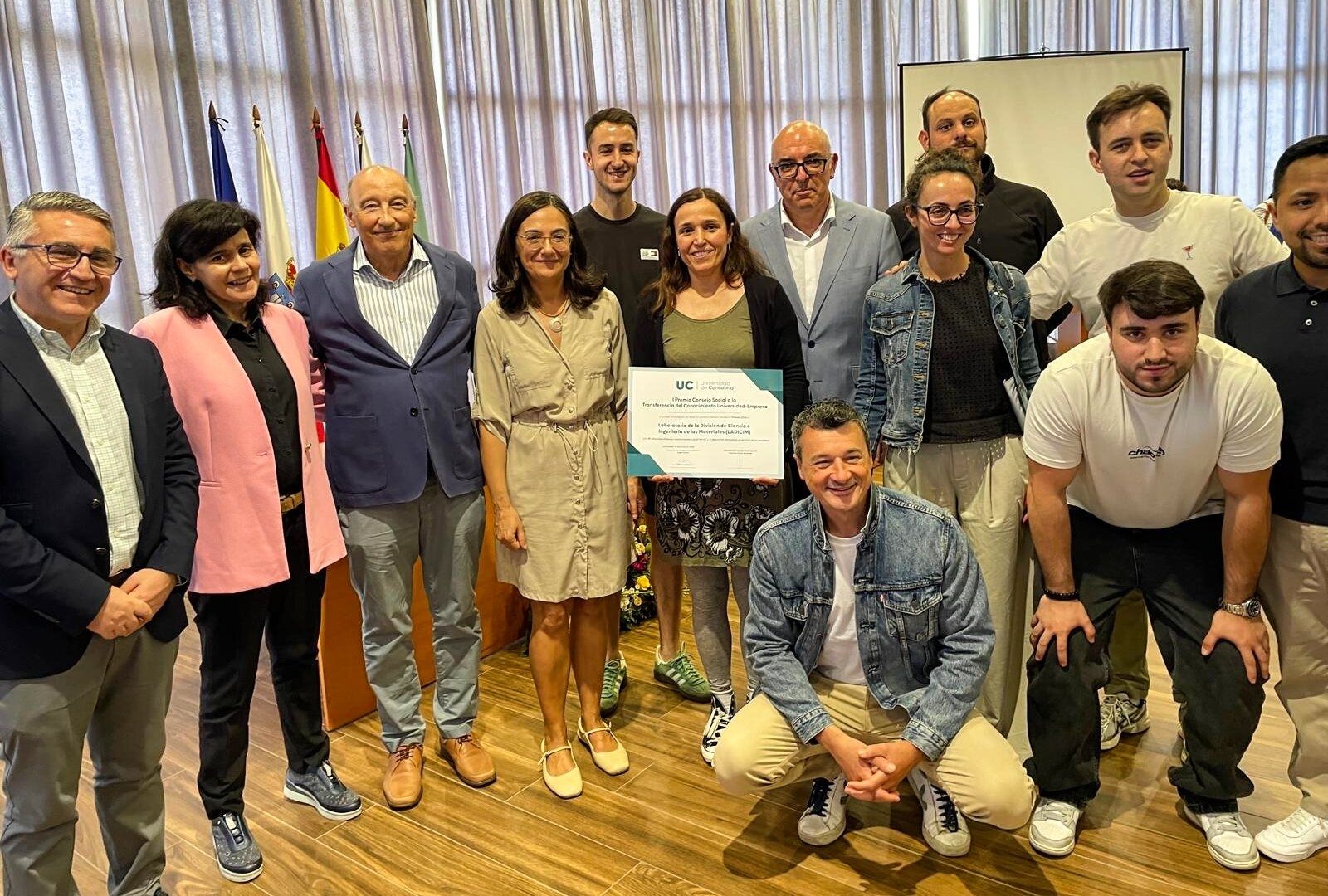
LADICIM wins the first Knowledge Transfer Award of the University of Cantabria
The Social Council award recognizes more than three decades of solving complex industrial challenges and the Laboratory’s diversification into data analysis and biomaterials to consolidate a scientific model of direct return to society. Moving down to the physical scale is essential when designing a railway network or planning a port
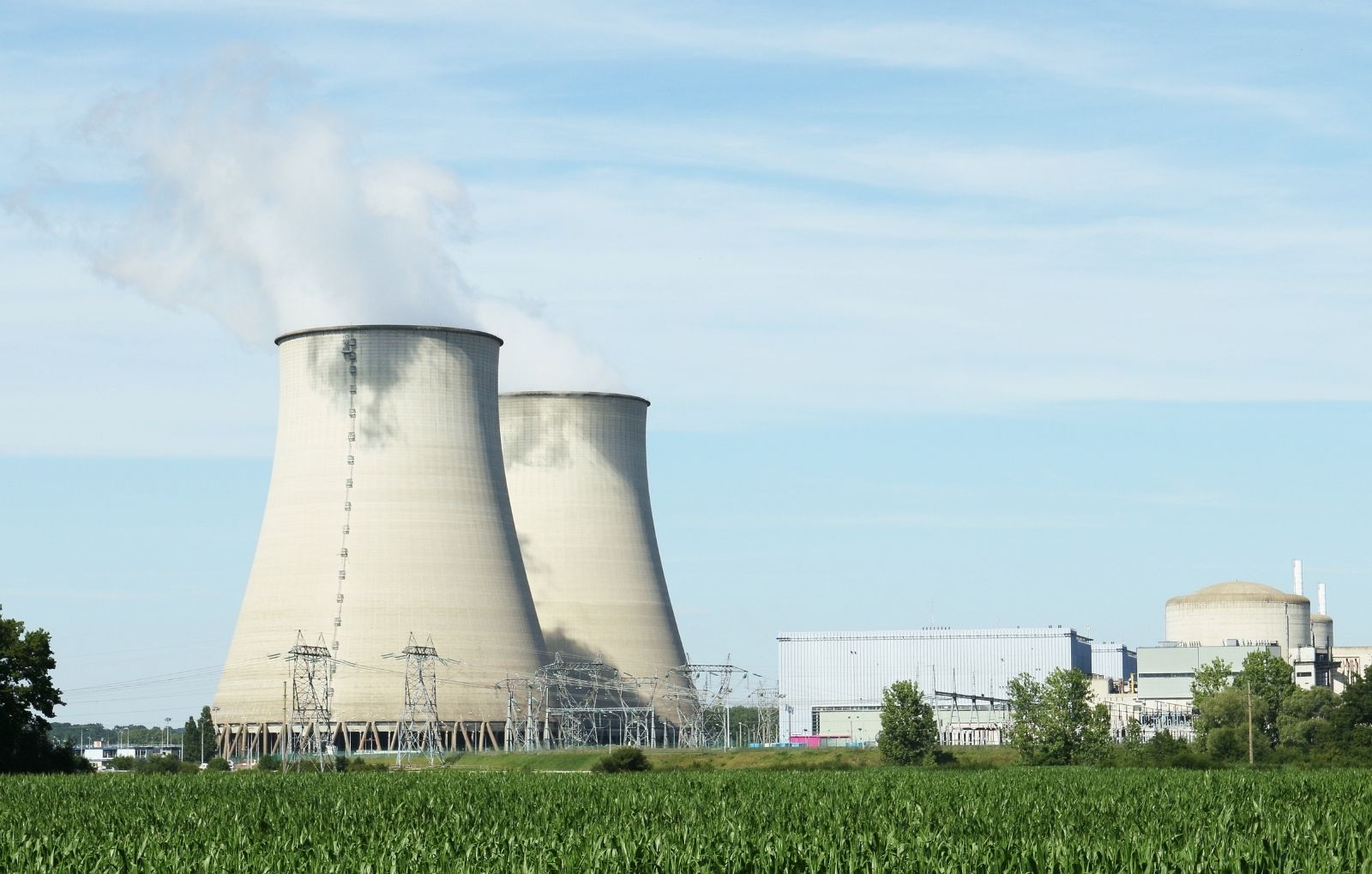
LADICIM participates in the European Extend-LTO project for the long-term operation of nuclear power plants
The University of Cantabria Laboratory will lead the application of artificial intelligence and big data management to predict the degradation of steels subjected to extreme irradiation Ensuring an uninterrupted and CO2 emission-free power supply is Europe’s top priority. Complying with the current EU green taxonomy mandates keeping existing nuclear power
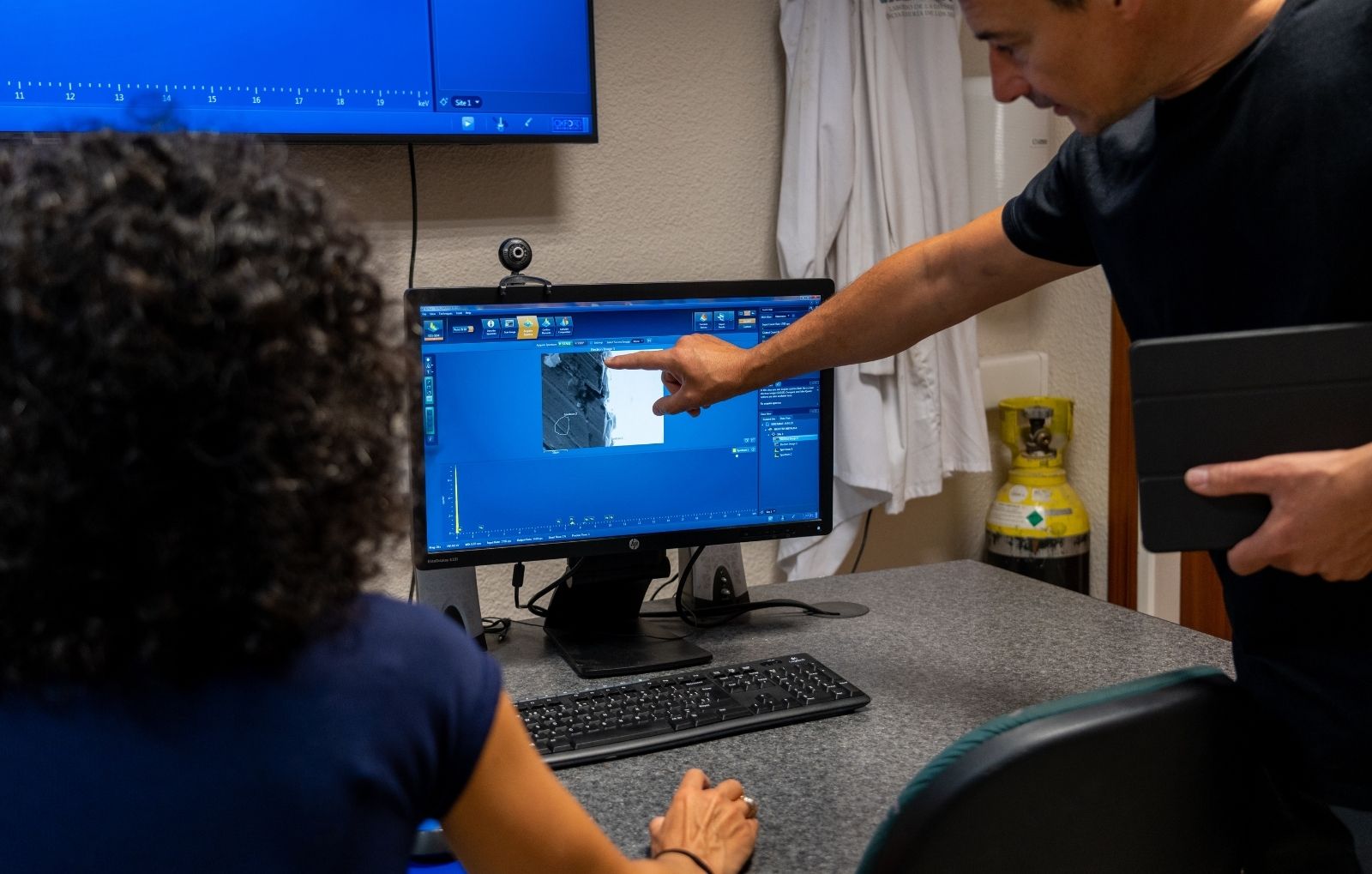
LADICIM participates in Ecoflowing, the project driving the decarbonization of construction
In collaboration with the Technology Centre of Components (CTC), the initiative designs industrializable mixes based on waste valorization that will reduce the sector’s carbon footprint by more than 20% Conceiving civil engineering works without concrete is impossible today. It is an unbeatable material in terms of cost, strength, and versatility.
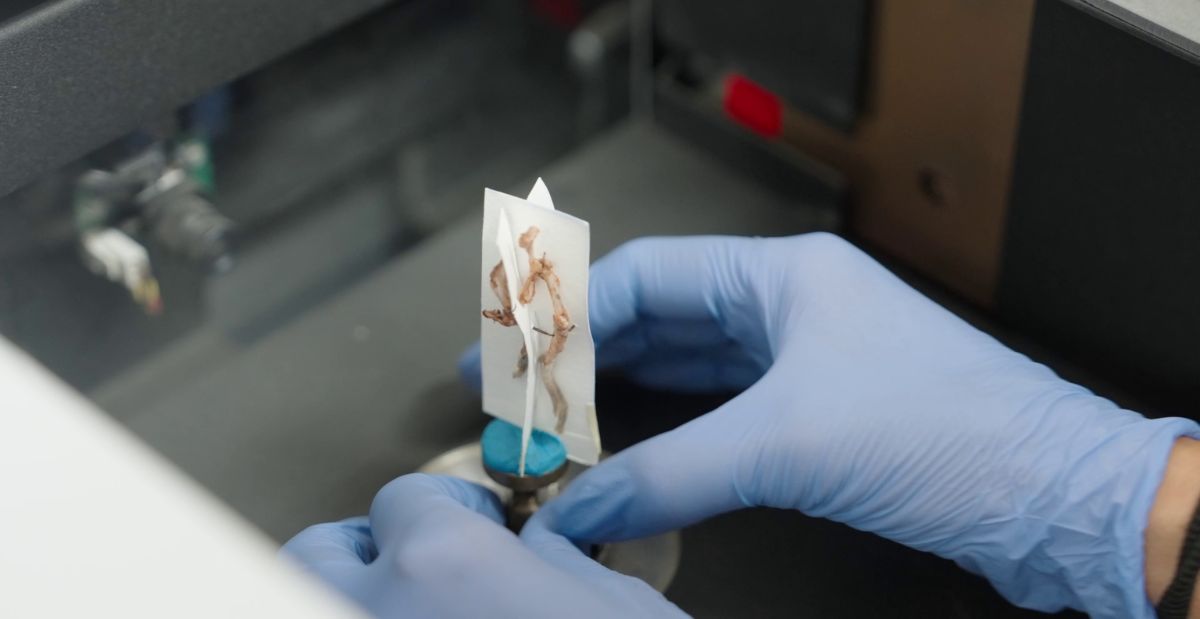
LADICIM collaborates with Valdecilla and IDIVAL to prevent structural failure of the heart and skeleton
Researchers from the University of Cantabria forge an alliance with clinical specialists to translate strict material fatigue methodologies to living tissue, transforming the treatment of valvular and bone pathologies The laws of mechanics do not distinguish between the imposing structure of a viaduct and the intricate human anatomy. A femur