
LADICIM will collaborate with Cycasa on recycled aggregates, railways, and data analysis
The University of Cantabria laboratory takes its first steps within the Cycasa Chair, established by the UC and the construction firm at the School of Civil Engineering
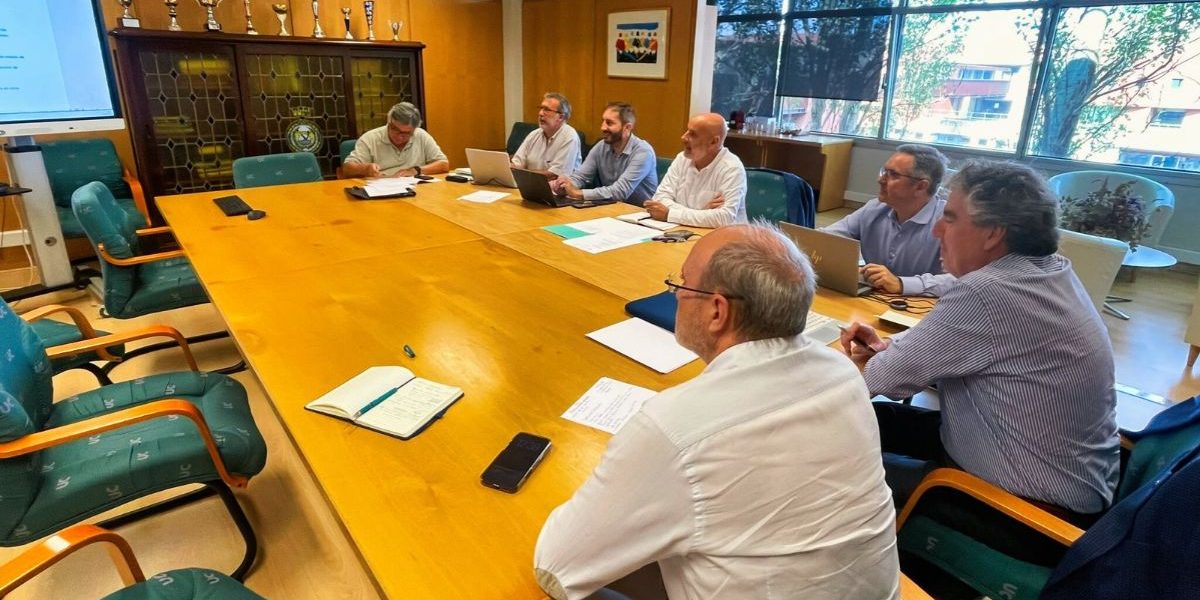
The Laboratory of the Division of Materials Science and Engineering (LADICIM) of the University of Cantabria has proposed three lines of research to the construction firm Cycasa Canteras y Construcciones: the valorization of recycled aggregates, railways, and maintenance data analysis using machine learning. This is its first contribution to the Cycasa Chair, through which the university and the construction company aim to connect the School of Civil Engineering (ETSICCP) with the business environment through internships and innovation projects.
The agreement, signed by Rector Conchi López and the CEO of Cycasa, Mario Barcenilla, has an initial duration of two years, renewable for a further two. In addition to opening the door for students to undertake internships and Bachelor’s and Master’s theses at the company, the Chair plans to collaborate with UC research groups and promote doctoral dissertations. Headquartered in Bilbao, Cycasa specializes in aggregate production, railway works, civil engineering, and building construction. According to its CEO, this is the first time the company has launched an initiative of this kind in its more than 50-year history.
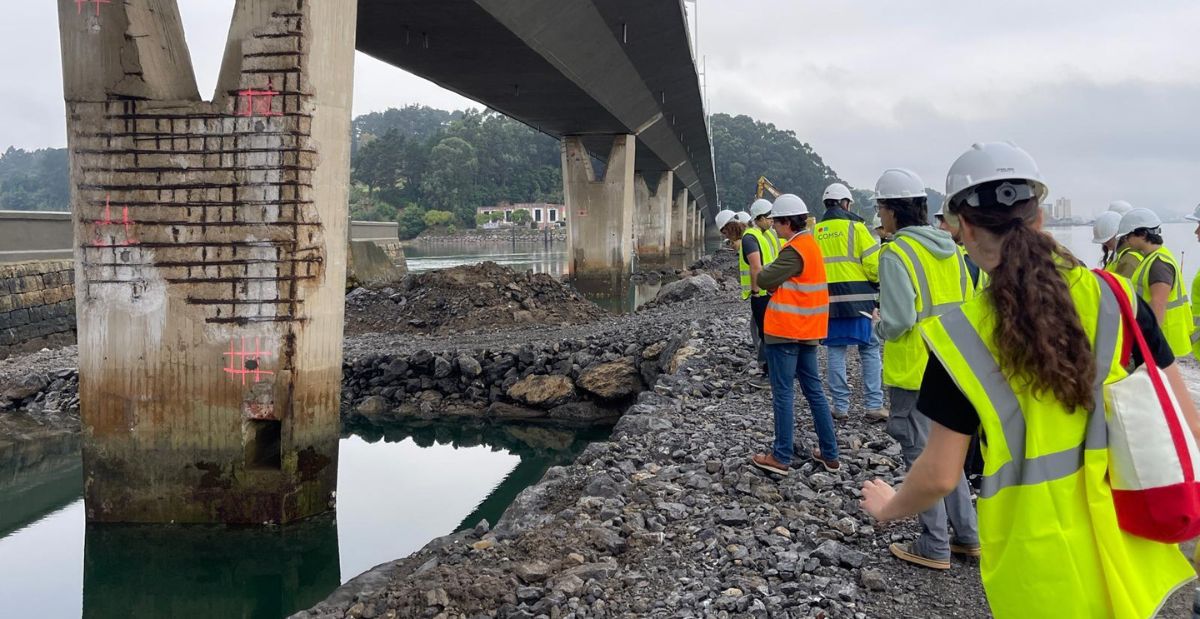
Cycasa operates a quarry, manages construction and demolition waste (CDW) and executes works where these materials can be reused, so that the recycled aggregate cycle can be closed within the company itself. LADICIM contributes its research on low environmental impact concretes manufactured with this type of aggregate. Demand is also driven by the administration: in the Basque Country, the 2021 Environmental Administration Law requires a minimum of 40% recycled materials in public works.
In the railway sector, the laboratory draws on its track record in railway superstructure, where it tests sleepers, fastenings and rail welds under ENAC accreditation. According to the contractor, for the last three years it has worked with tamping machines—the machines that compact the ballast under the sleepers so that the track recovers its alignment geometry—and it has the data they have generated at its disposal.
LADICIM has proposed processing this information using machine learning techniques to identify which variables best explain track evolution and to decide in a timely manner when intervention is required. The laboratory has already applied these techniques to issues such as high-speed superstructure or the embrittlement of nuclear pressure vessel steels.
For LADICIM, the research chair allows for collaboration with a construction company with which it had not previously worked and which maintains strong ties with Euskal Trenbide Sarea (ETS), the Basque railway infrastructure manager. This opens up the possibility for some of these research projects to be tested at a full scale.
Más Noticias

LADICIM provides Chemical Engineering training to twenty students from Cornell University
Future professionals from one of the world’s top ten civil engineering institutions complete their training at the School of Civil Engineering of the University of
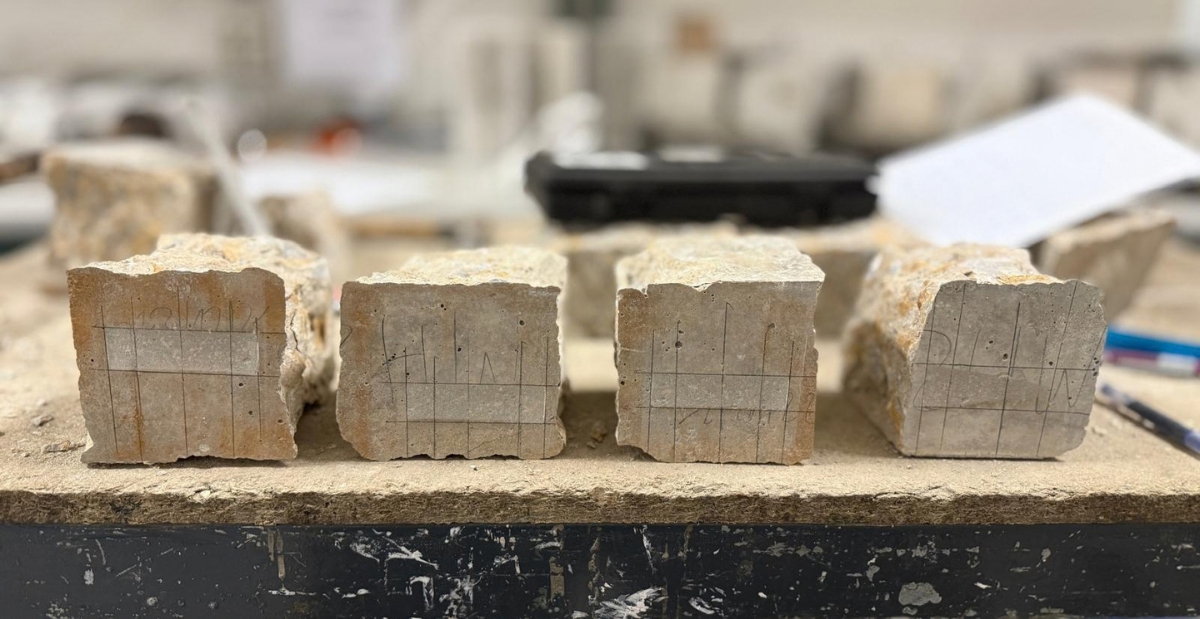
LADICIM, in collaboration with Ferrovial, validates new cements developed from slag and captured CO2
The CO2MCHRETE project, funded by the CDTI, has completed its first year with new proposals for the scale-up of micro-concretes, in which traditional clinker is
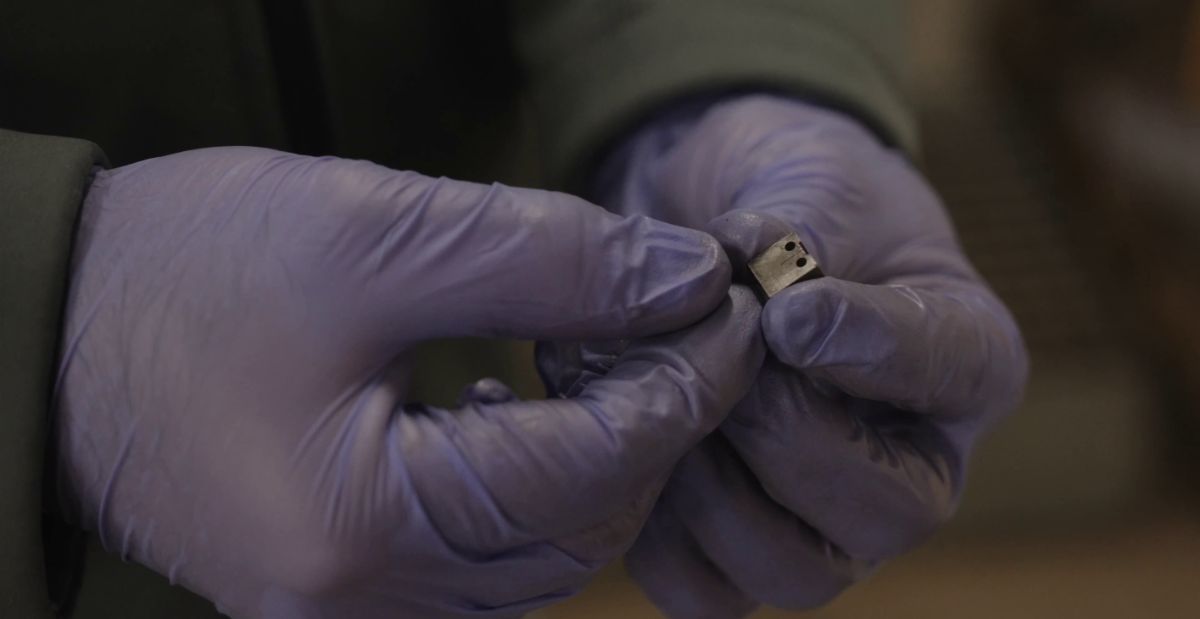
LADICIM is participating in the European project to standardize the use of mini-ct in the nuclear industry
The research aims to modify restrictive international mechanical testing standards to drastically reduce the material required for integrity assessments and extend the service life of