LADICIM, in collaboration with Ferrovial, validates new cements developed from slag and captured CO2
The CO2MCHRETE project, funded by the CDTI, has completed its first year with new proposals for the scale-up of micro-concretes, in which traditional clinker is replaced by valorized steelmaking and demolition waste
Traditional cement production carries an environmental cost that the European regulatory framework no longer overlooks. Specifically, Portland Clinker—its base ingredient—generates nearly 7% of global greenhouse gas emissions. This impact is a direct consequence of the process: on the one hand, the decarbonation of limestone and, on the other, the extremely high temperatures required by kilns, releasing massive amounts of carbon dioxide. Seeking viable alternatives to this classic formulation is an operational and economic necessity for the construction industry and a challenge for humanity. Driven by this technical urgency, CO2MCHRETE emerged, a project funded with 2.5 million euros that has just concluded its execution phase, proving that it is possible to build using a different recipe.
After a year of intensive work under the CDTI’s (Centre for the Development of Industrial Technology) “Missions” format, the consortium has successfully transferred circular economy theory to civil works. The initiative has not functioned as an isolated laboratory experiment, but as a complete industrial value chain led by Técnicas Reunidas. Alongside them, leading companies from various sectors have participated: Valoriza and Urdecon managing waste, Cementos La Cruz in the formulation of binders, and Ferrovial taking on the challenge of final execution.
The framework has been supported by multidisciplinary scientific backing. Technology centers such as CTC and Tecnalia have joined forces with the University of Castilla-La Mancha, the Technical University of Cartagena, and the University of Cantabria, which has operated through the LADICIM research team.
The chemical challenge: mineralizing carbon
The consortium’s technical strategy? To tackle the issue at its source by formulating new concretes from materials typically discarded by the industry. We are talking about utilizing slags from the steelmaking industry and recovering cement paste from Construction and Demolition Waste (CDW). These elements, once subjected to complex segregation and thermal activation processes, succeed in partially or fully replacing conventional clinker.
The potential impact of this replacement becomes evident when reviewing the sector’s figures. Manufacturing a single ton of the traditional ingredient emits between 800 and 900 kg of carbon dioxide into the atmosphere.
To mitigate this footprint, the project’s centerpiece relies on a reactor specifically designed by Técnicas Reunidas. Its industrial purpose is to carbonate slag by injecting CO2 that has been previously captured from industrial emissions or directly from the air. By inducing this forced chemical reaction, the gas is trapped in the form of a solid mineral. The original waste is stabilized, acquires binding properties useful for construction, and is transformed into what the industry refers to as SCM (Supplementary Cementitious Material).
The benefits of this valorization pathway are twofold. New clinker production is avoided, and simultaneously, the resulting cement acts as a physical sink capable of long-term carbon sequestration within the infrastructure itself.
Artificial Intelligence addressing waste variability
Working with industrial by-products presents a top-tier technical hurdle: heterogeneity. Unlike virgin raw materials, slag and demolition waste change their composition depending on their source batch. Validating this material outside the controlled laboratory environment and ensuring that a building or a data center will not collapse required absolute precision in the mix designs.
To resolve this fundamental technical friction, the project integrated a specific research line focused on digitalization. The Technological Center of Components (CTC) and Tecnalia incorporated machine learning algorithms to monitor the value chain. This artificial intelligence has been able to predict material behavior and optimize concrete formulations based on the mechanical properties required by each application.
Predicting in advance how a specific slag will behave when mixed with water and aggregates saves months of trial-and-error testing, accelerating the product’s time-to-market.
LADICIM and Ferrovial: On-site Mix Design
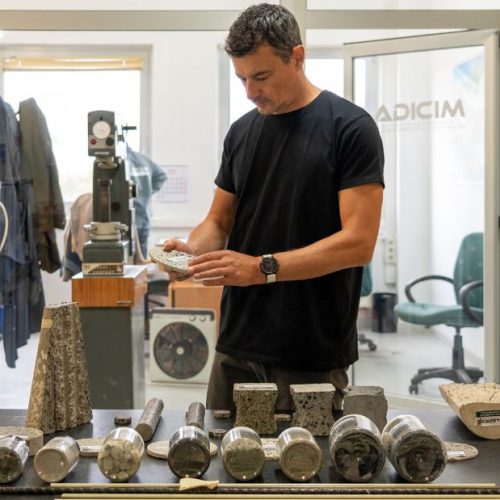
Supported by this predictive ecosystem, the LADICIM team took on the challenge of working in direct collaboration with Ferrovial to implement the experimental mix designs. The transition from algorithms to the concrete mixer required a level of fine-tuning that only applied materials engineering could provide.
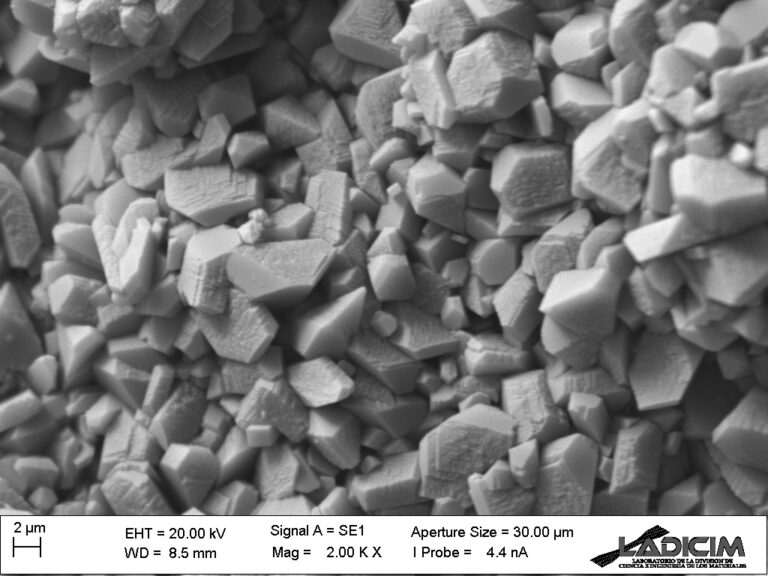
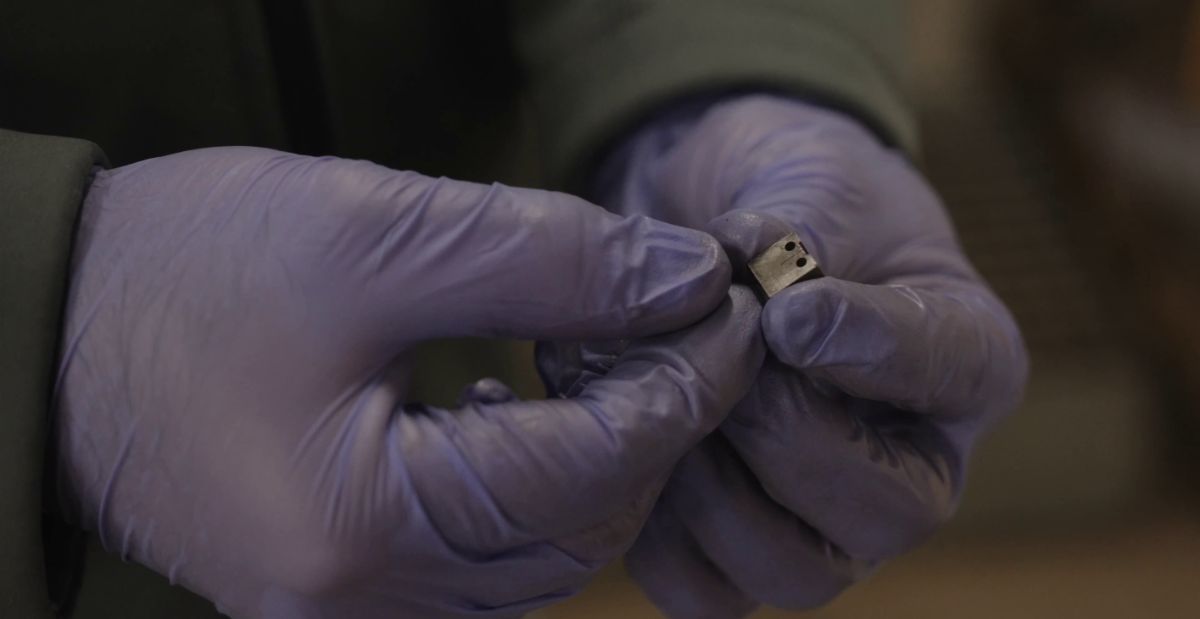
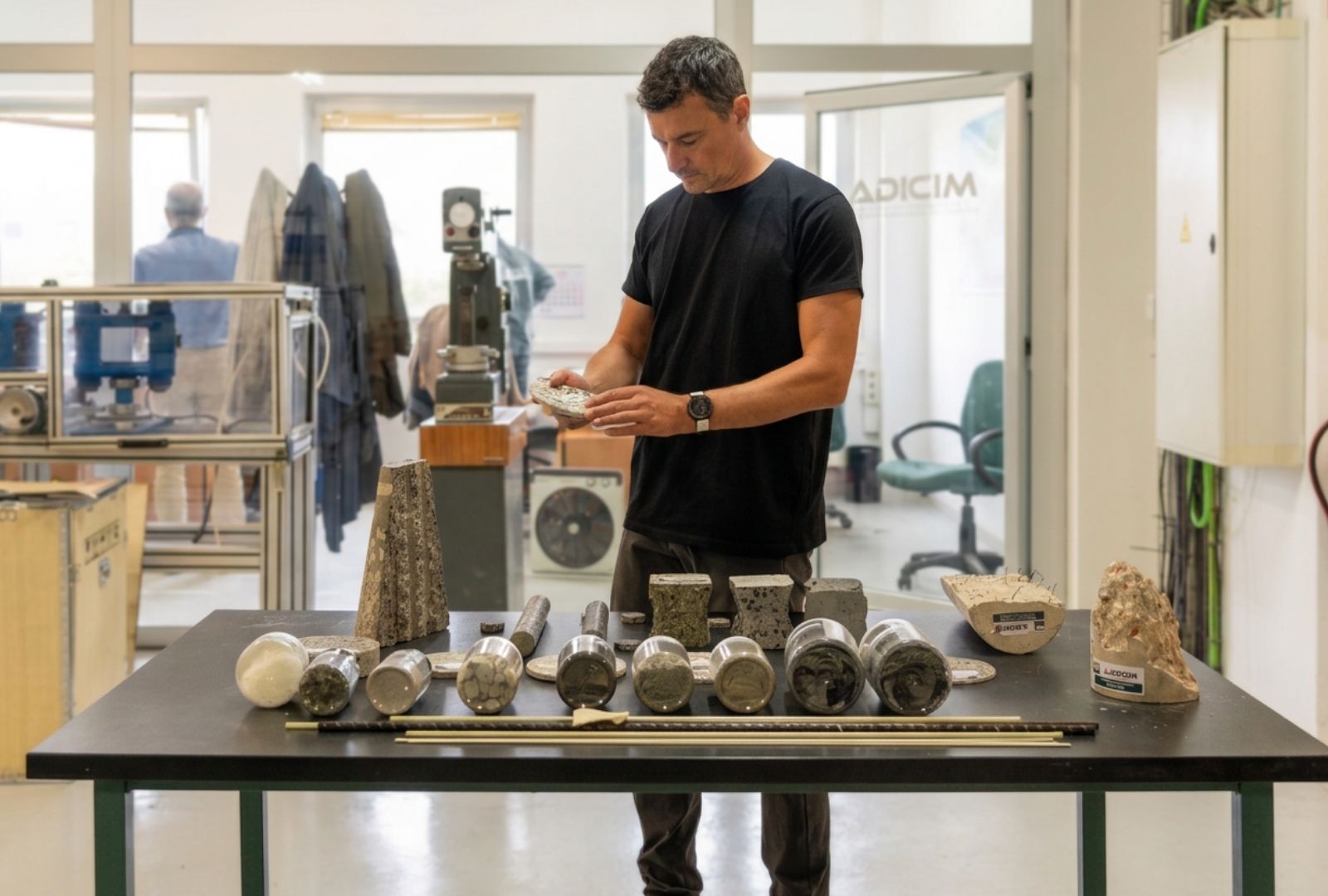
“First, the original slags were characterized. Then, after passing through Técnicas Reunidas’ carbonation reactor, we exhaustively analyzed the resulting new material, the SCMs,” explains Carlos Thomas, Professor at the University of Cantabria and LADICIM researcher.
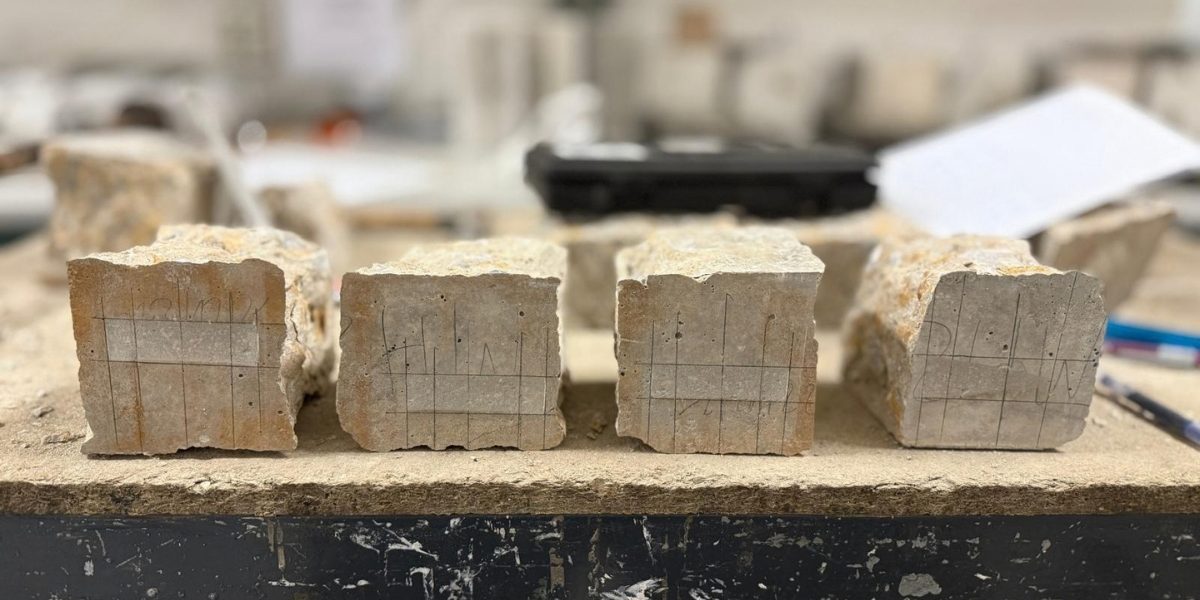
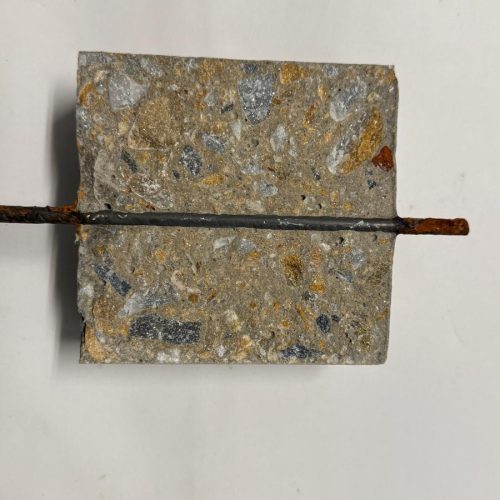
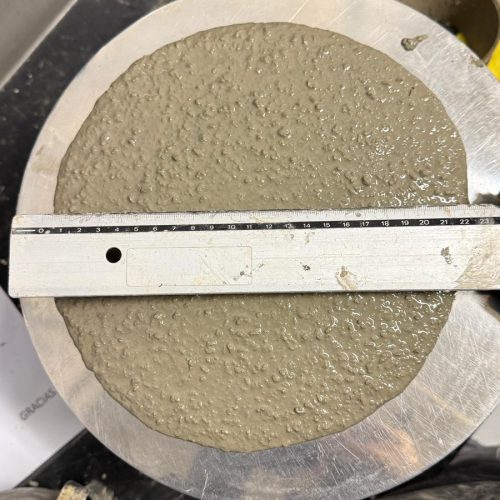
Based on this empirical characterization, the Cantabrian laboratory adjusted the proportions of water, aggregates, and this new carbonated cement. The objective was to manufacture micro-concretes, mortars, and conventional concretes that strictly complied with the Structural Code. The approach proved successful, and final validation has recently been achieved in projects by the construction company Ferrovial itself, confirming its strength and durability.
This milestone does not represent an isolated case for LADICIM. The laboratory has accumulated years of experience researching the technical valorization of fly ash and steel slag, a track record that has proven key to anticipating logistical hurdles when attempting to scale up the formulation to an industrial level.
Leveraging industrial by-products to build today’s infrastructure is already a technically and economically viable reality. The success of this joint breakthrough demonstrates that the synergy between rigorous academic research and corporate execution is the most direct, and perhaps the only, way to definitively decarbonize the industry.
Más Noticias