
LADICIM will collaborate with Cycasa on recycled aggregates, railways, and data analysis
The University of Cantabria laboratory takes its first steps within the Cycasa Chair, established by the UC and the construction firm at the School of Civil Engineering
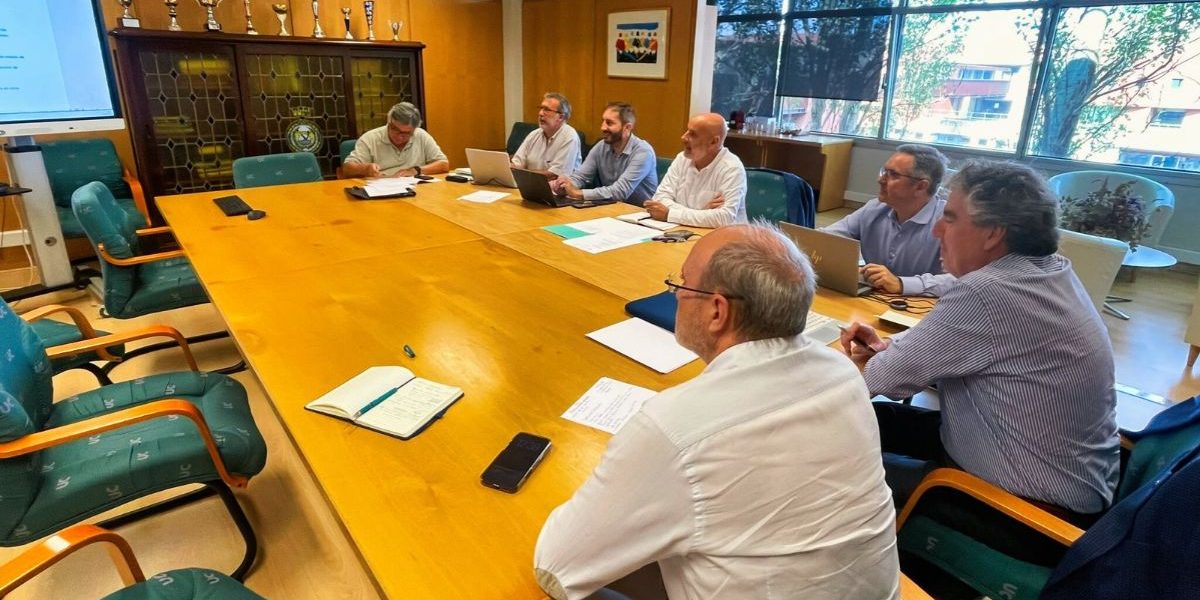
The Laboratory of the Division of Materials Science and Engineering (LADICIM) of the University of Cantabria has proposed three lines of research to the construction firm Cycasa Canteras y Construcciones: the valorization of recycled aggregates, railways, and maintenance data analysis using machine learning. This is its first contribution to the Cycasa Chair, through which the university and the construction company aim to connect the School of Civil Engineering (ETSICCP) with the business environment through internships and innovation projects.
The agreement, signed by Rector Conchi López and the CEO of Cycasa, Mario Barcenilla, has an initial duration of two years, renewable for a further two. In addition to opening the door for students to undertake internships and Bachelor’s and Master’s theses at the company, the Chair plans to collaborate with UC research groups and promote doctoral dissertations. Headquartered in Bilbao, Cycasa specializes in aggregate production, railway works, civil engineering, and building construction. According to its CEO, this is the first time the company has launched an initiative of this kind in its more than 50-year history.
Cycasa operates a quarry, manages construction and demolition waste (CDW) and executes works where these materials can be reused, so that the recycled aggregate cycle can be closed within the company itself. LADICIM contributes its research on low environmental impact concretes manufactured with this type of aggregate. Demand is also driven by the administration: in the Basque Country, the 2021 Environmental Administration Law requires a minimum of 40% recycled materials in public works.
In the railway sector, the laboratory draws on its track record in railway superstructure, where it tests sleepers, fastenings and rail welds under ENAC accreditation. According to the contractor, for the last three years it has worked with tamping machines—the machines that compact the ballast under the sleepers so that the track recovers its alignment geometry—and it has the data they have generated at its disposal.
LADICIM has proposed processing this information using machine learning techniques to identify which variables best explain track evolution and to decide in a timely manner when intervention is required. The laboratory has already applied these techniques to issues such as high-speed superstructure or the embrittlement of nuclear pressure vessel steels.
For LADICIM, the research chair allows for collaboration with a construction company with which it had not previously worked and which maintains strong ties with Euskal Trenbide Sarea (ETS), the Basque railway infrastructure manager. This opens up the possibility for some of these research projects to be tested at a full scale.
Más Noticias

LADICIM presents an algorithm in Atlanta that predicts the useful life of nuclear power plants with 22% greater accuracy
The University of Cantabria laboratory presents a methodology, developed with partners from the U.S. and Japan, to the ASTM world committee to mitigate the lack
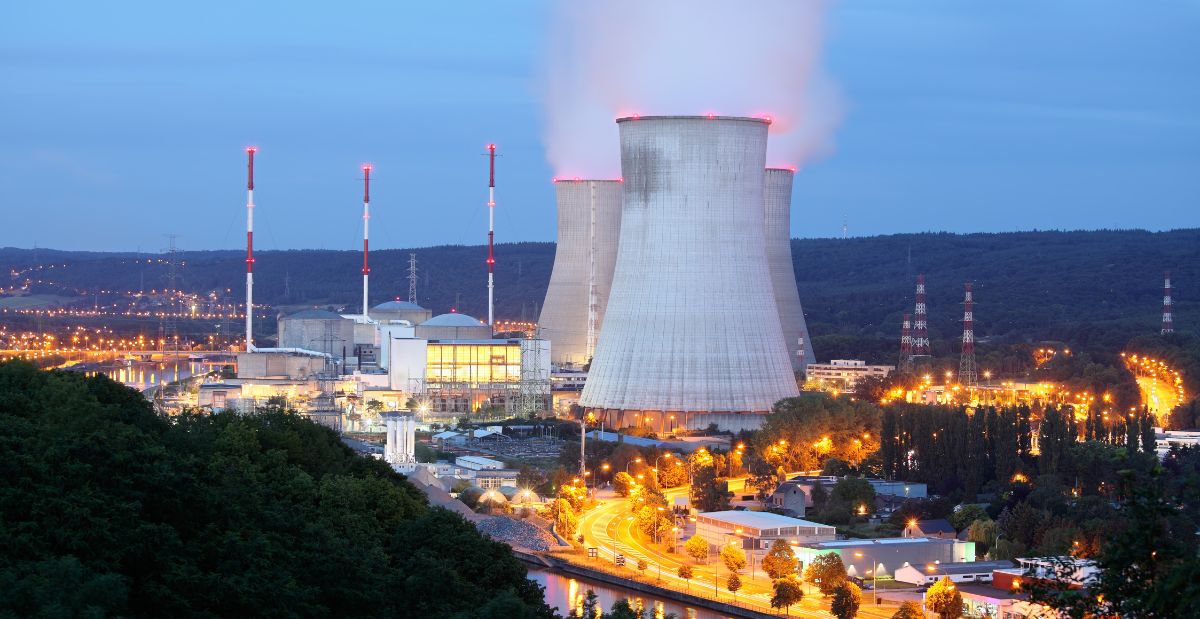
LADICIM collaborates in the Freedom project to improve the safety of nuclear power plants
The research, coordinated by CIEMAT, delves into the use of mini-CT specimens and Artificial Intelligence to characterize the integrity of the reactor pressure vessel in

LADICIM aims to fortify floating wind with more durable, safer and more sustainable platforms
In a consortium with SEAPLACE, IHCantabria, and UPM, the Cantabrian laboratory will lead the development of green and self-healing concretes to optimize the CROWN floating