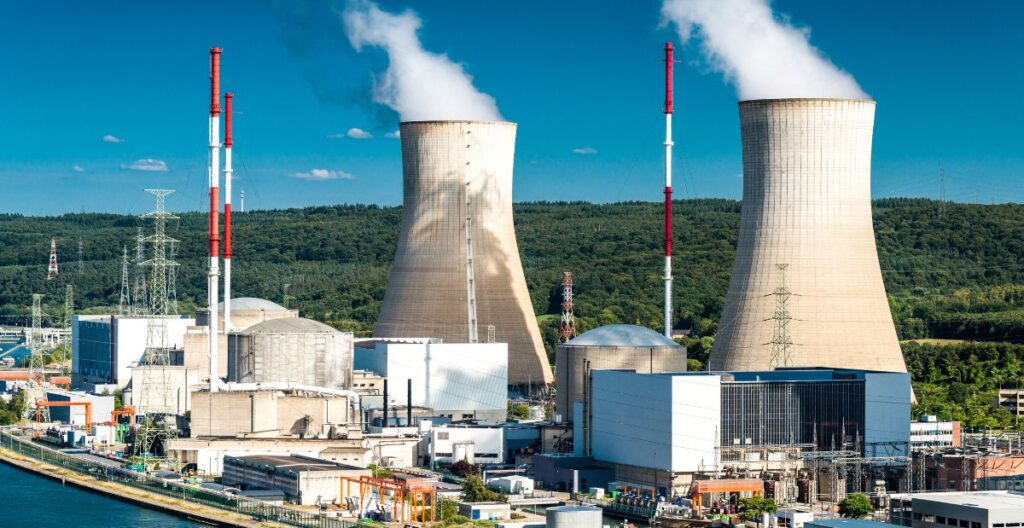
The University of Cantabria awards LADICIM its proposal for sustainable concrete for the nuclear industry
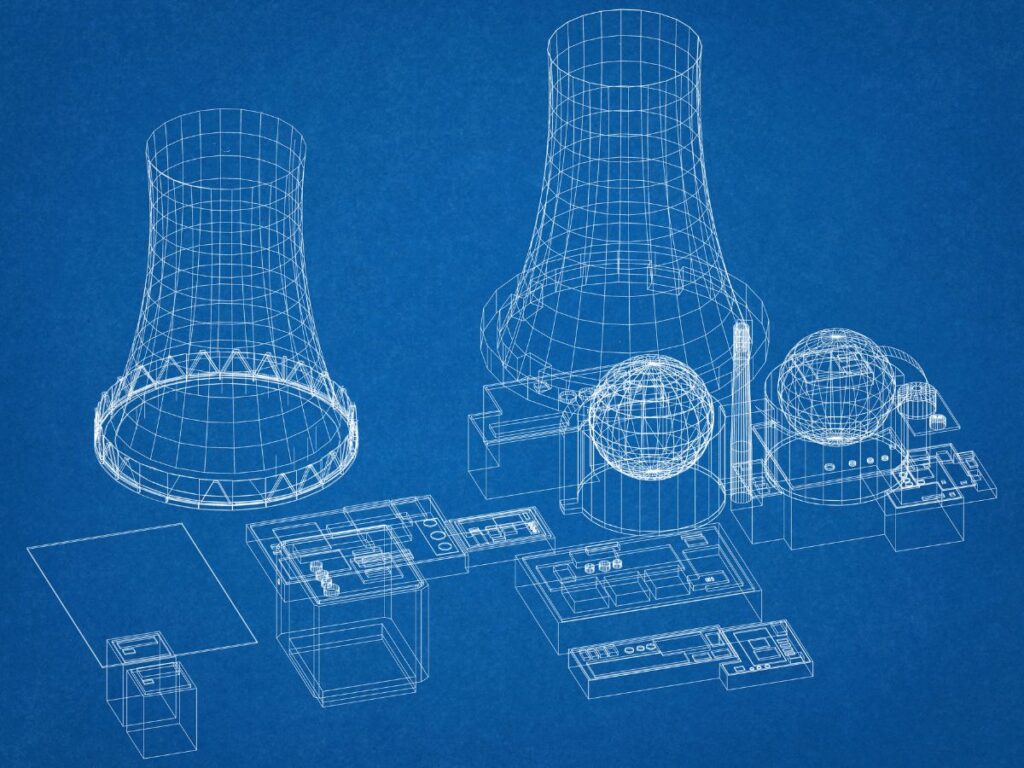
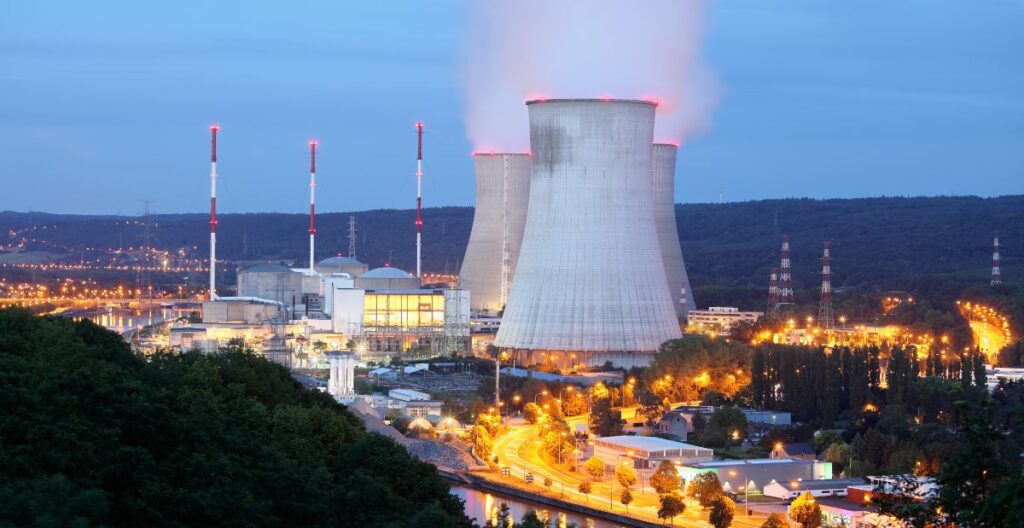
The GreenCosmos project, recognized in the UC Solutions 2025 call, proposes an innovative solution for the energy infrastructure of the […]
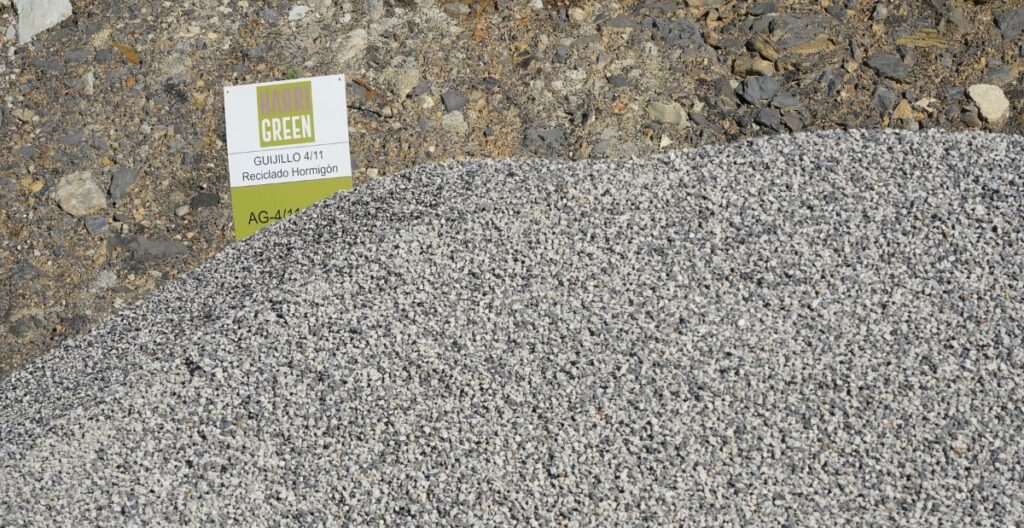
The Laboratory and the construction company are working together to consolidate the use of recycled aggregates in civil engineering, in
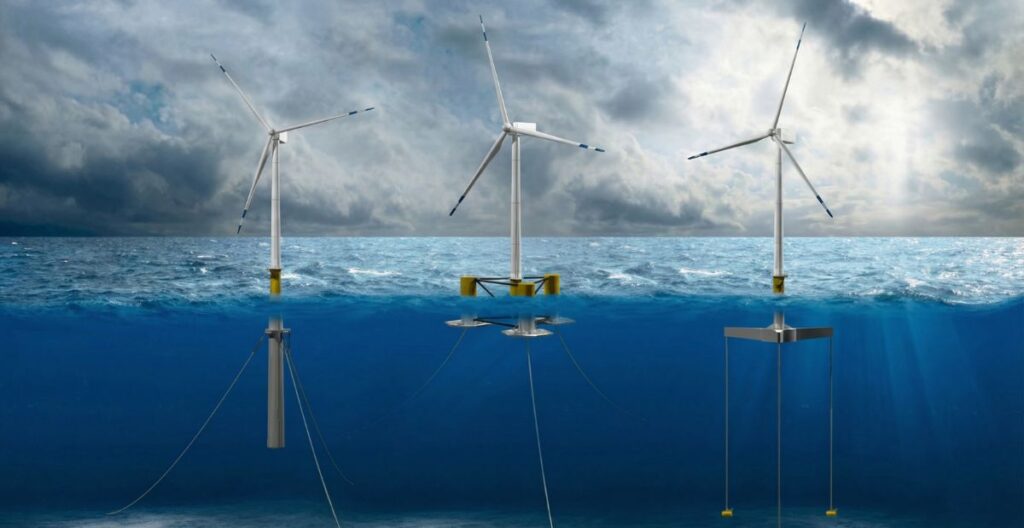
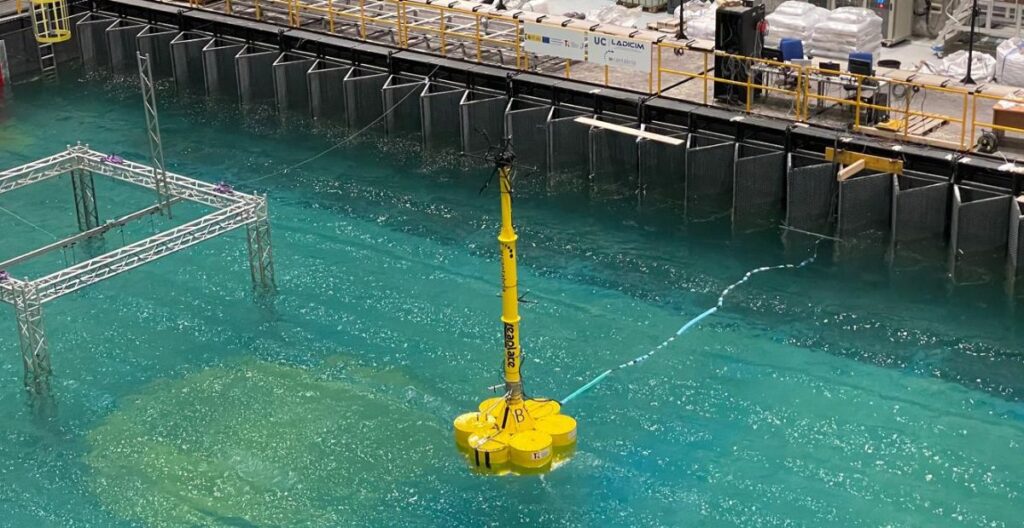
The ISOBARA project, in collaboration with SEAPLACE and IHCantabria, designs industrializable solutions to reduce costs in floating wind farms The
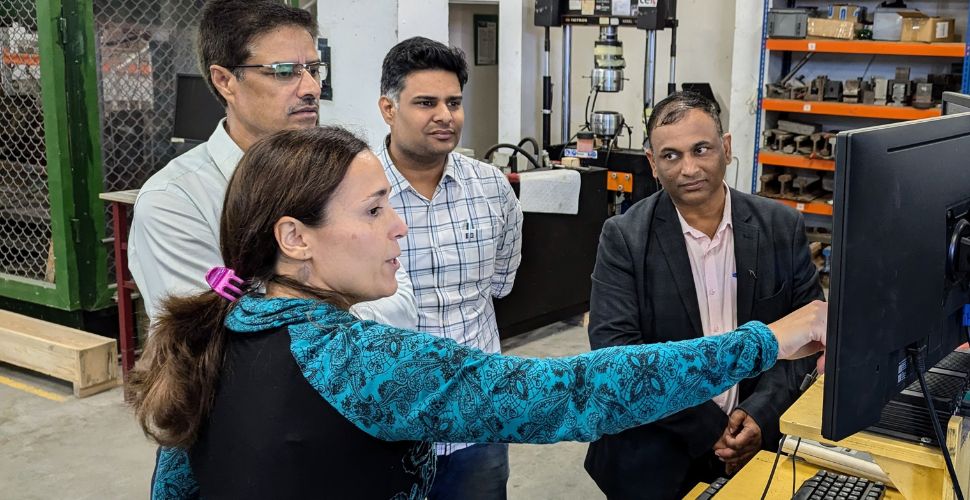
The Laboratory of the Division of Materials Science and Engineering has renewed its collaboration agreement with Patil Rail, one of
LADICIM Participates in the Development of Metropolitan Transport in India Read More »
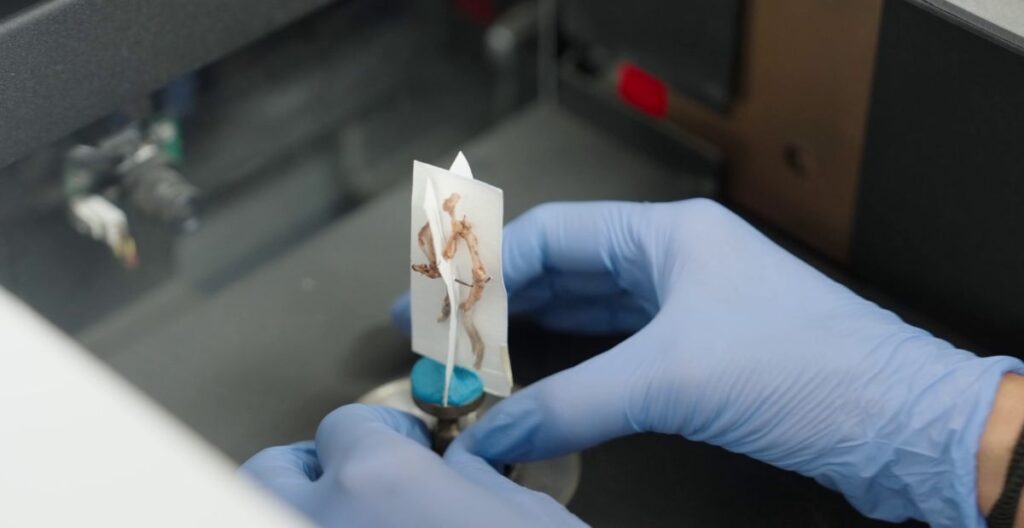
The Archaeometry and Heritage Unit has been collaborating for over 30 years with archaeologists and researchers to analyze historical artifacts
LADICIM Applies Materials Science to the Study of Archaeological Heritage Read More »
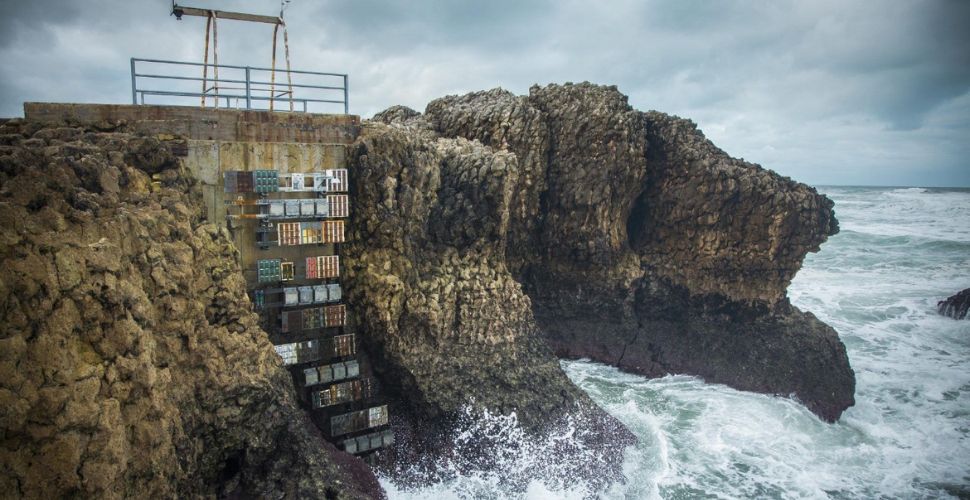
The research, which also involves IHCantabria and Seaplace, aims to standardize a concrete floating platform for offshore wind energy. The
LADICIM leads the concrete durability testing in the Isobara project Read More »
The goal is to provide precise recommendations to optimize the design and execution of structures using recycled concrete, contributing to
Using convolutional neural networks, the new system identifies graphite morphology with high precision, overcoming the limitations of manual analysis and
LADICIM and IFCA use AI to automate graphite classification in iron foundries Read More »
The H2ALAM project investigates how to improve the strength and durability of this material by regulating the levels of the
LADICIM and GSW Join Forces to Optimize Steel Quality Through Residual Hydrogen Control Read More »
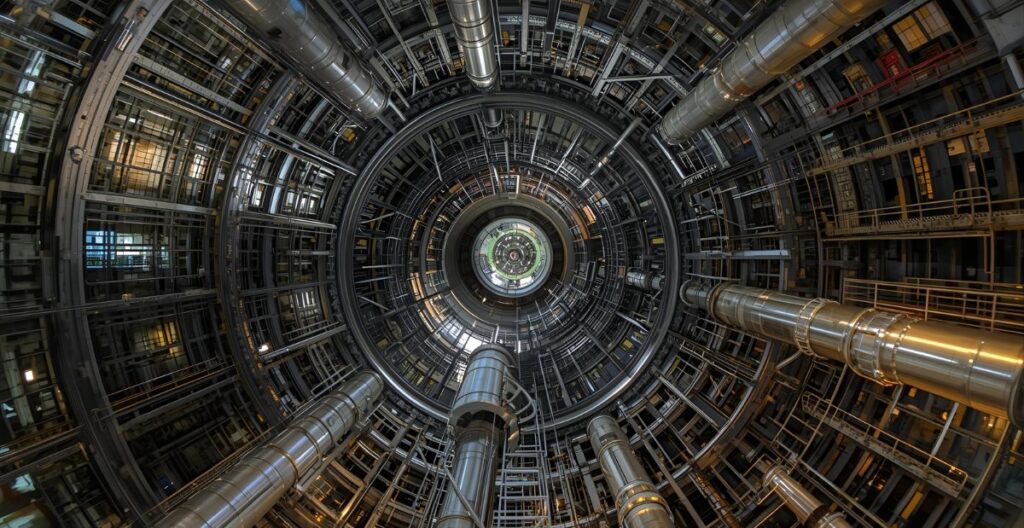
The results obtained validate the effectiveness of miniature compact specimens for evaluating the fracture resistance of nuclear reactor pressure vessels,
The ‘SolEtAqua’ project, which also involves the University of Jaén, aims to develop new methodologies to predict the dynamic behavior
The INTELEST project, funded by the Government of Cantabria with European funds, involves the collaboration of companies such as GSW